Securing a Global Trade Artery: The Suez Canal’s Strategic Role and Egypt’s Maritime Leadership
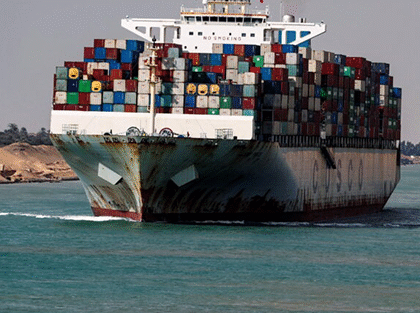
The Suez Canal is a critical conduit for international trade, connecting the Mediterranean and the Red Sea over 193 kilometers. Each year, more than $1 trillion in goods pass through the canal, which handles approximately 12–15% of global trade and 30% of container traffic. Beyond commerce, the canal is a key route for energy security, channeling nearly 9% of global seaborne oil and 8% of liquefied natural gas (LNG). For Egypt, toll revenues from the Suez—recording $9.4 billion in 2022–2023—serve as a cornerstone of the national economy.
Given its strategic importance, any disruption along the canal has immediate ripple effects worldwide. Historical events, such as the 1956 Suez Crisis and the eight-year closure from 1967 to 1975, underscore the canal’s vulnerability during geopolitical conflicts. These disruptions forced global shippers to reroute around Africa, increasing voyage distances by 8,000–10,000 kilometers and triggering higher freight costs and operational delays. Modern incidents, including piracy off Somalia and the Ever Given blockage in 2021, illustrate that even brief interruptions can affect supply chains, insurance costs, and global trade flows.
Recent security challenges, particularly missile and drone attacks in the Red Sea between 2023–2024, highlighted the canal’s continuing exposure to regional instability. Shipping companies temporarily diverted vessels, raising transit costs and prolonging delivery schedules. Marine insurance premiums surged as insurers classified the Red Sea as a high-risk zone, emphasizing the importance of proactive risk management. These events reaffirm that uninterrupted access to the Suez is not only a regional concern but a matter of global trade continuity.
Ocean Shipping Services, with its extensive presence across Egyptian ports and the Suez Canal, plays a pivotal role in ensuring maritime operations remain smooth. From ship supply and maintenance to logistics and canal transit services, the company supports vessel owners and operators in navigating these vital trade routes efficiently and safely. By combining local expertise with international standards, Ocean Shipping Services helps mitigate operational risks, maintain supply chain resilience, and strengthen Egypt’s position as a reliable maritime hub.
Looking ahead, safeguarding the Suez Canal requires a coordinated approach: enhanced maritime security, robust infrastructure, and international collaboration. For Ocean Shipping Services, this mission aligns directly with its commitment to delivering seamless shipping solutions, ensuring that Egypt’s waterways continue to connect the world safely and efficiently.