

Tankers and Bunkers Explained: How Each Powers Maritime Trade
The Maritime Energy Chain: Tankers and Bunkers Defined
In the global maritime and oil logistics industry, the terms tanker and bunker often appear side by side.
While both are essential to the movement of fuel and energy, their functions, purposes, and operations are completely different.
Understanding the distinction is critical for professionals involved in shipping, marine fuel supply, and port logistics especially across Egyptian ports like Alexandria, Port Said, and Suez, where Ocean Ship provides integrated marine and logistics services.
What Is a Tanker?
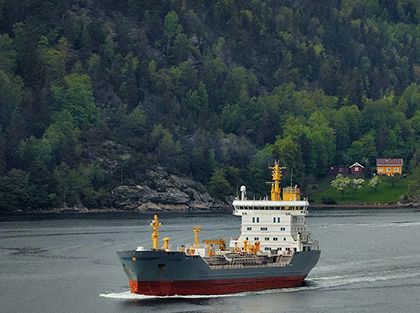
A tanker is a vessel specifically designed to transport large quantities of liquid cargo over long distances.
This liquid cargo may include:
- Crude oil moved from production fields to refineries
- Refined petroleum products such as diesel, jet fuel, or gasoline
- Chemicals and liquefied gases (LNG, LPG) used in industrial applications
Tankers feature multiple cargo tanks, pumping systems, and pipeline networks to ensure the safe loading, transfer, and discharge of cargo between ports.
Simply put, a tanker’s main role is transportation carrying liquid energy from one port or refinery to another, forming a key part of the global fuel supply chain.
What Is a Bunker?
The term bunker refers to the fuel consumed by ships themselves not the cargo they carry.
Bunkering is the process of supplying fuel to vessels, whether at berth, anchorage, or offshore, through specialized bunker barges or tankers.
The fuel supplied during bunkering powers a ship’s main engines, generators, and onboard systems.
Common types of marine fuel include:
- Heavy Fuel Oil (HFO)
- Marine Gas Oil (MGO)
- Low-Sulfur Fuel Oil (LSFO) compliant with IMO 2020 environmental regulations
Unlike tankers, which transport liquid cargo, bunkering operations focus on refueling vessels to ensure continuous and efficient marine operations.
The Key Difference Between Tankers and Bunkers
The fundamental distinction between the two lies in purpose:
- Tankers carry and transport fuel or liquid cargo as part of trade and logistics.
- Bunkers are the fuel consumed by vessels during navigation and port operations.
In short:
Tankers move energy globally, while bunkers power the ships that sustain that movement.
Both are vital one drives trade between nations, the other keeps vessels operating safely and efficiently.
How Tankers and Bunkers Work Together
Even though their functions differ, tankers and bunkers are interconnected within the maritime fuel ecosystem.
Here’s how the process works:
- Tankers transport refined fuel or crude oil to port storage terminals.
- Bunker suppliers then use smaller vessels, barges, or trucks to deliver that same fuel to ships.
- The process is coordinated under strict safety and quality standards, ensuring smooth and compliant marine fuel operations.
This connection illustrates how tankers provide the supply, while bunkering completes the delivery both forming essential links in the maritime energy chain.
Why This Difference Matters in Modern Shipping
Understanding the roles of tankers and bunkers helps improve efficiency, safety, and compliance across port and shipping operations.
- For Port Authorities:
It ensures organized and environmentally safe fuel transfers. - For Ship Operators and Captains:
It supports compliance with IMO 2020 sulfur limits, accurate fuel planning, and operational readiness. - For Marine Traders and Logistics Managers:
It clarifies responsibilities between fuel transportation (tankers) and fuel supply (bunkering) reducing risks and improving coordination.
Ultimately, this knowledge strengthens the global fuel supply chain, ensuring reliable marine operations from port to open sea.
Conclusion
While tankers and bunkers may seem similar, they play distinct yet complementary roles in maritime operations.
Tankers transport fuel across oceans, and bunkers supply it to ships together ensuring that global trade remains uninterrupted.
With deep experience in marine logistics, fuel coordination, and ship support, Ocean Ship remains a trusted partner for vessel operators and energy traders seeking safe, efficient, and compliant operations across Egyptian and regional ports.

